Mastering Golden Hour Landscape Photography
Golden hour—also known as the "magic hour"—is the period shortly after sunrise and before sunset when the sun sits low on the horizon.
This creates soft, diffused, and incredibly warm light that bathes landscapes in golden, orange, and pink hues. Unlike the harsh, overhead midday sun that produces flat lighting and strong shadows, golden hour light enhances depth, texture, and mood, making it a favorite among landscape photographers worldwide.
The science behind it is simple yet beautiful: sunlight travels through more of Earth's atmosphere at low angles, scattering shorter blue wavelengths and leaving longer red and yellow ones to dominate.
The result? Long, dramatic shadows, a flattering glow on every surface, and skies that can explode with color—especially when clouds are present to catch and reflect the light.

Why Golden Hour Elevates Landscape Photography
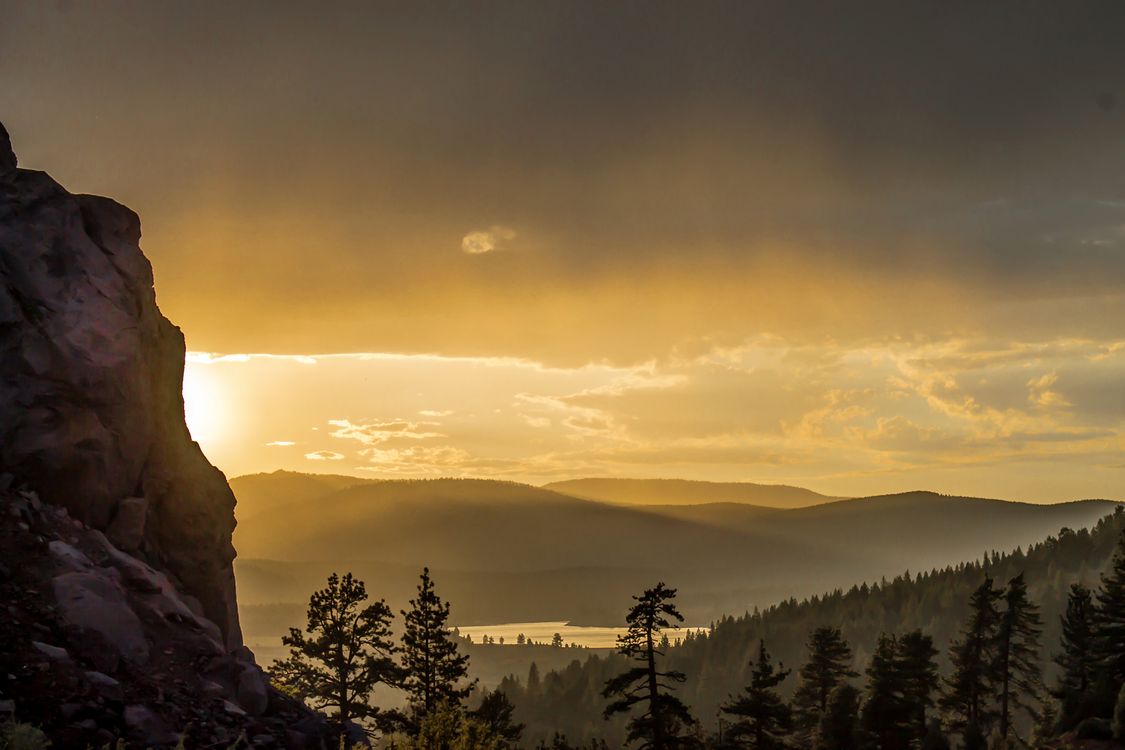
During golden hour, light becomes directional and side- or backlighting, adding dimension to mountains, trees, fields, and water. Shadows stretch across the scene, creating leading lines and a sense of scale. Colors pop naturally—warm tones on foreground elements contrast beautifully with cooler blues in the distance or sky.
Compared to blue hour (the period just before sunrise or after sunset when the sky turns deep indigo), golden hour feels energetic and uplifting, while blue hour leans serene and moody. Many photographers shoot both in one session: golden hour for the warm glow, then stay for blue hour's cooler tones and longer exposures.
The fleeting nature of golden hour (typically 20–60 minutes, depending on location and season) adds urgency and excitement. Planning is essential because the light changes rapidly.

Essential Gear for Golden Hour Landscapes
Camera: Any DSLR or mirrorless with good dynamic range helps handle high-contrast scenes (bright skies vs. darker foregrounds). Shoot in RAW for maximum editing flexibility.
- Lenses: Wide-angle (14–35mm) for expansive scenes; telephoto (70–200mm) to compress layers or isolate details.
- Tripod: Critical for stability during lower light, especially for sharper images or longer exposures. It also encourages thoughtful composition.
- Filters: A circular polarizer can reduce glare on water or foliage and enhance sky colors. Graduated ND filters help balance bright skies with darker land.
- Extras: Lens hood to combat flare, remote shutter release, and apps like PhotoPills or The Photographer's Ephemeris to predict sun position.

Camera Settings and Techniques
Golden hour light is lower intensity, so adjust accordingly:
- Aperture: For maximum sharpness across the landscape, use f/8 to f/16. For sunstars or creative effects, stop down to f/11–f/22. Wider apertures (f/2.8–f/5.6) work if emphasizing a specific subject with shallow depth of field.
- Shutter Speed: Depends on light—start with 1/60s or faster handheld; slower (with tripod) for silky water or cloud movement. Expose for the highlights (sky) to avoid blowing out colors, then recover shadows in post if needed.
- ISO: Keep it low (100–400) for clean images. Increase only as light fades.
- White Balance: Auto often works well, but try "Cloudy" or "Shade" for warmer tones, or set manually (around 3500–4500K) for consistency.
Pro Tips:
- Bracket exposures for tricky high-contrast scenes.
- Embrace lens flare or sunbursts intentionally for artistic effect.
- Meter carefully—spot meter on mid-tones or use histogram to avoid clipping.

Composition Strategies for Stunning Results
- Scout in Advance: Visit your location during the day to find strong foreground elements, leading lines, and interesting vantage points. Know exactly where the sun will rise or set.
- Direction of Light: Side lighting reveals texture; backlighting creates silhouettes and rim light; front lighting can work but is less dramatic.
- Rule of Thirds and Balance: Place the horizon on the lower or upper third. Use "anchor points" like rocks, trees, or reflections to ground dramatic skies and prevent them from feeling floaty.
- Clouds and Atmosphere: Partial clouds often yield the best color. Look for mist, fog, or water for reflections that double the magic.
- Layers and Depth: Include foreground interest, midground subjects, and distant background for a three-dimensional feel.
- Panoramas: When the scene is too vast, stitch multiple shots for epic wide views.
Don't rush away after the sun dips—post-sunset colors can be spectacular too.


Post-Processing Golden Hour Images
Golden hour shots often need minimal editing, but enhance them thoughtfully:
- Boost warmth slightly if needed, but avoid over-saturating— the natural glow is the star.
- Recover highlights in the sky and lift shadows in the foreground using tools like Lightroom or Photoshop.
- Adjust contrast and clarity to emphasize textures.
- Use selective adjustments (radial or graduated filters) to draw attention to key areas.
The goal is to preserve the natural mood rather than create something artificial.
Iconic Locations and Inspiration
Golden hour transforms ordinary scenes into extraordinary ones.
Think snow-capped peaks glowing pink in the Dolomites, misty valleys in the mountains, lone trees silhouetted against fiery skies, or wildflower fields bathed in light.
Famous spots include Yosemite's Tunnel View at sunset, Arches National Park's Delicate Arch, or coastal areas where the sun sets over water for perfect reflections.
But great shots exist everywhere—your local park or backyard can shine too.

Final Thoughts: Get Out and Chase the Light
Golden hour landscape photography rewards preparation, patience, and presence.
The light is fleeting, but the images you create can feel timeless—warm, emotional, and full of wonder.
Next time the forecast looks promising, set that alarm for sunrise or head out before sunset.
Bring your tripod, experiment with compositions, and let the golden light work its magic.
The more you shoot during these hours, the better you'll anticipate how it interacts with different landscapes.
What are your favorite golden hour locations or techniques? Share in the comments below, and happy shooting!
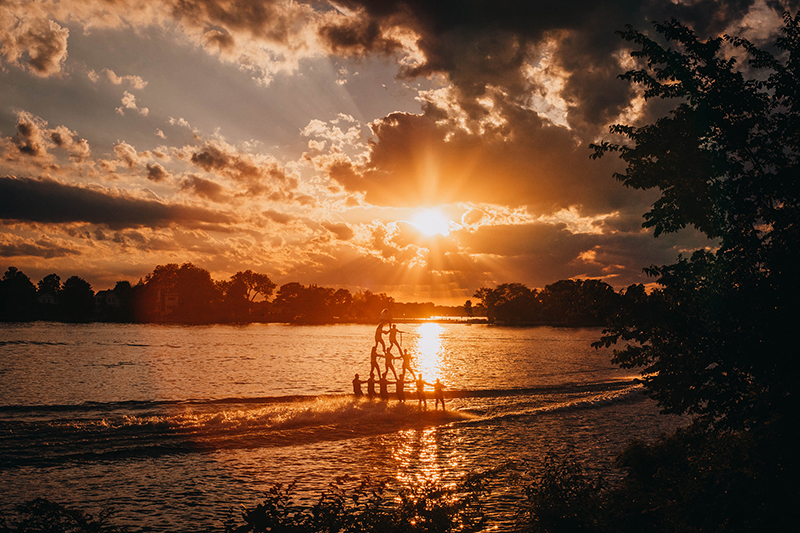
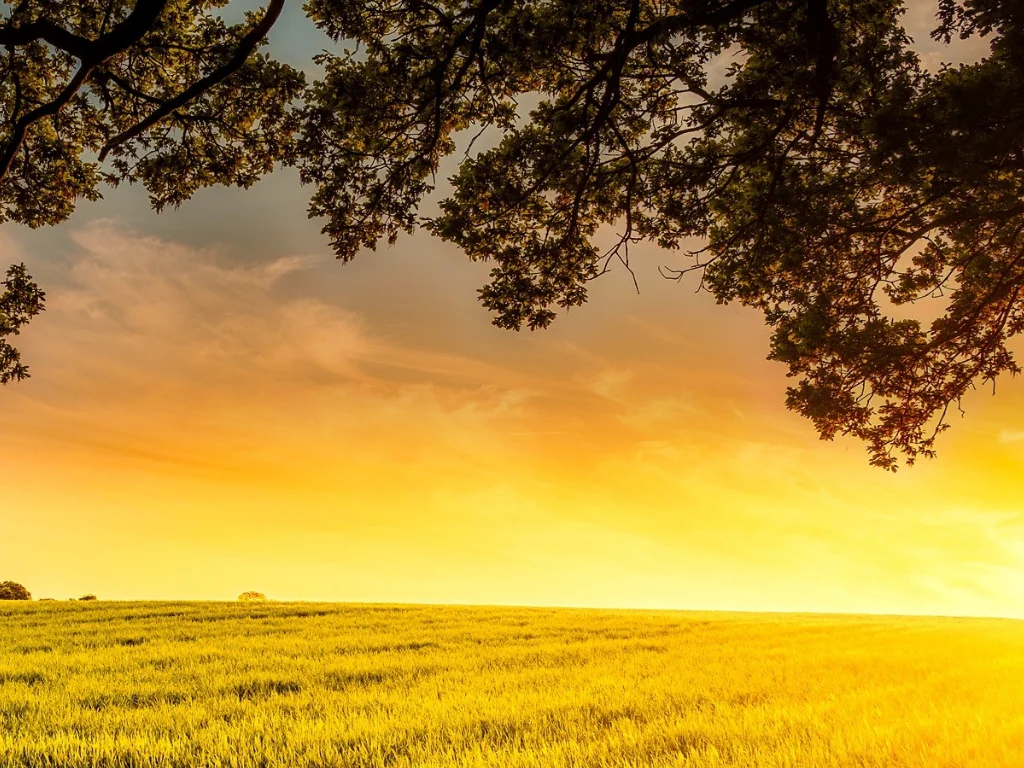
Images in this article showcase the dramatic warmth and depth possible during golden hour. Practice consistently, and you'll soon develop your own signature style.