Earth Photography Insights
Mountainscapes are among the most awe-inspiring subjects in landscape photography. From snow-capped peaks piercing dramatic skies to serene alpine lakes reflecting rugged ridges, these scenes evoke a sense of grandeur and timelessness. Whether you're hiking in the Rockies, exploring the Alps, or chasing light in Patagonia, mastering composition and camera settings will elevate your mountain photos from snapshots to stunning works of art.
Essential Composition Techniques for Mountainscapes
Great mountain photography starts with strong composition. Mountains naturally dominate the frame, but thoughtful framing adds depth, scale, and visual interest.
Rule of Thirds
Divide your frame into a 3x3 grid and place key elements—like the horizon or a prominent peak—along the lines or intersections. Avoid centering the horizon; instead, give more space to a dramatic sky or detailed foreground.
Incorporate Foreground Interest
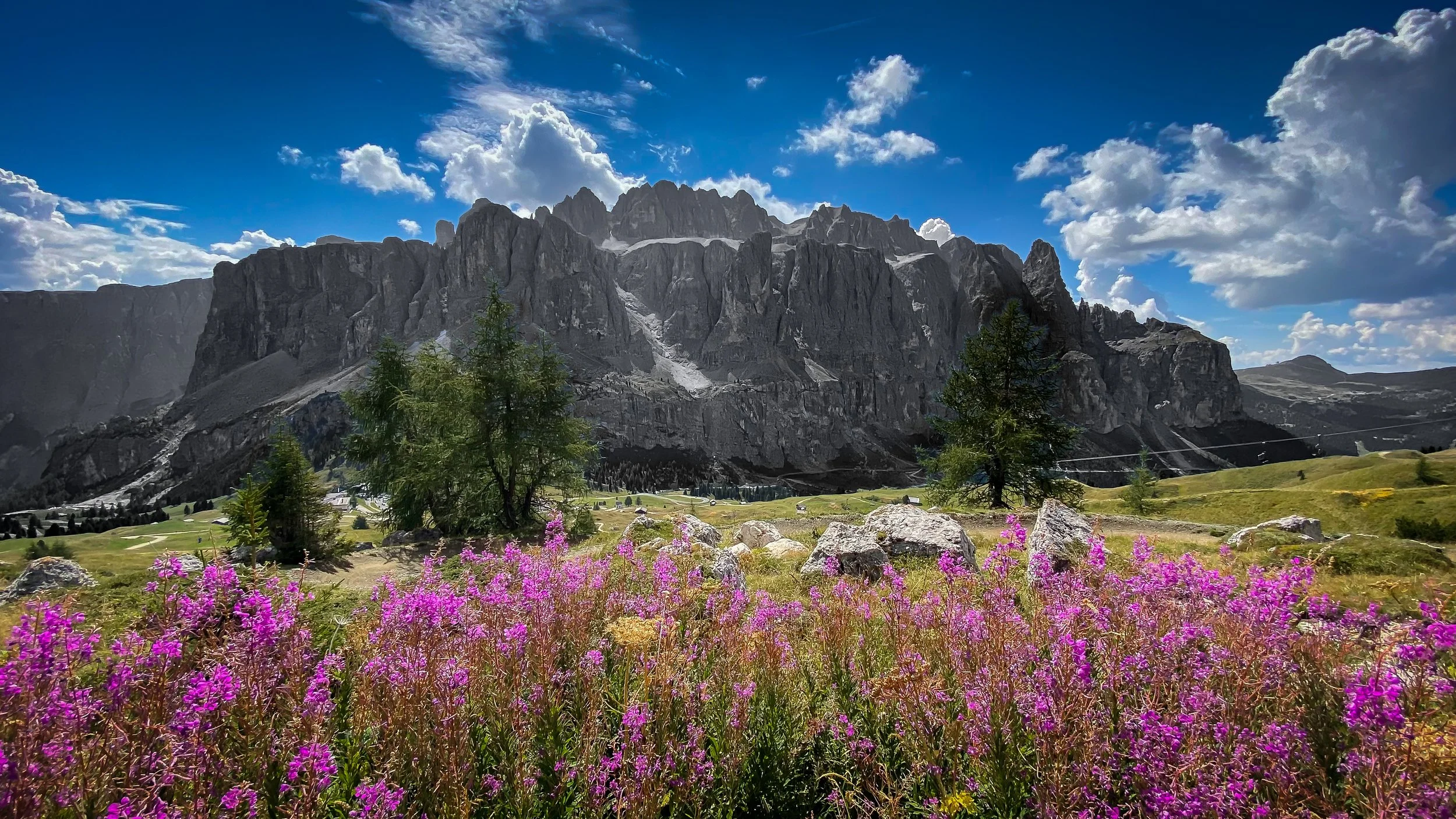
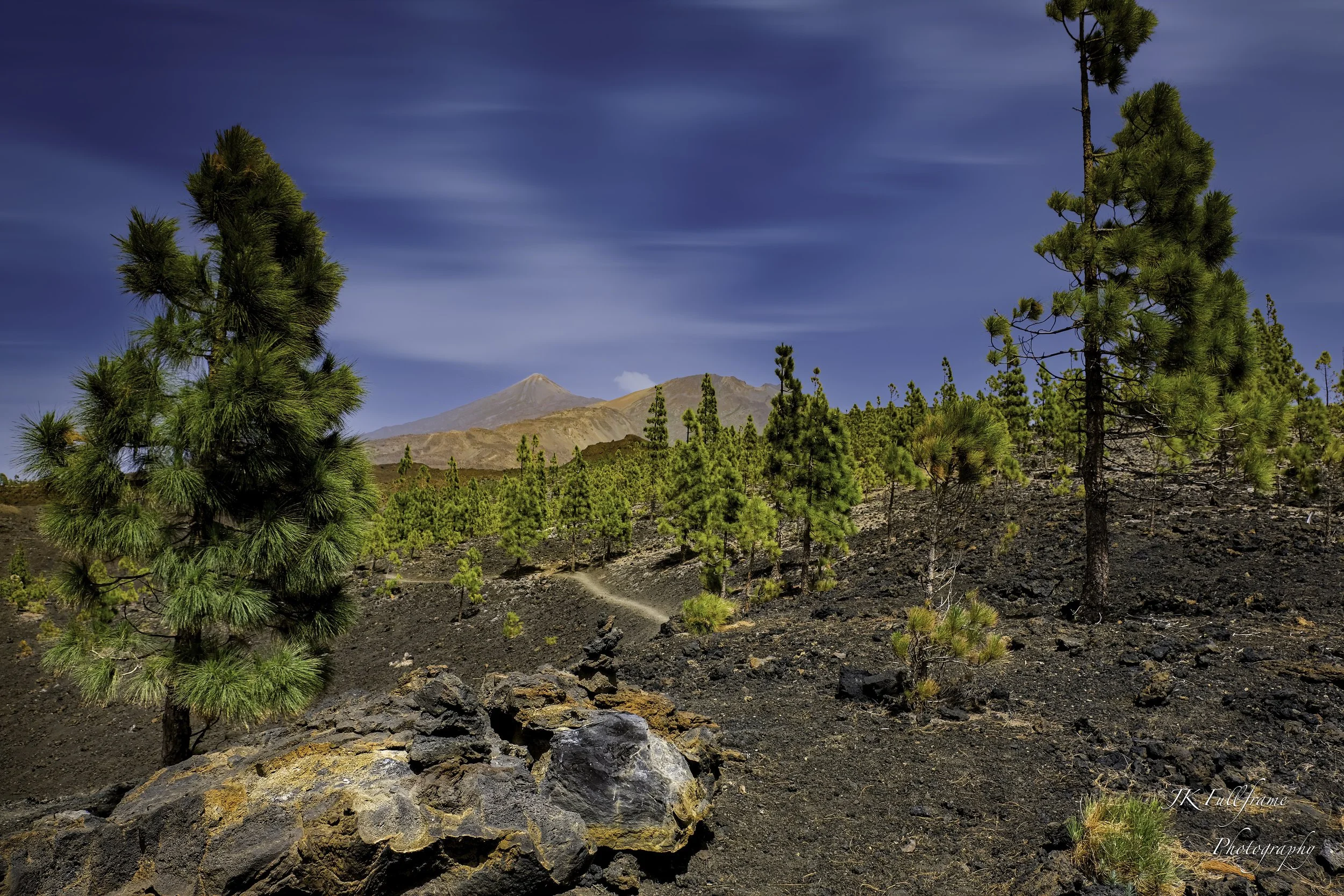
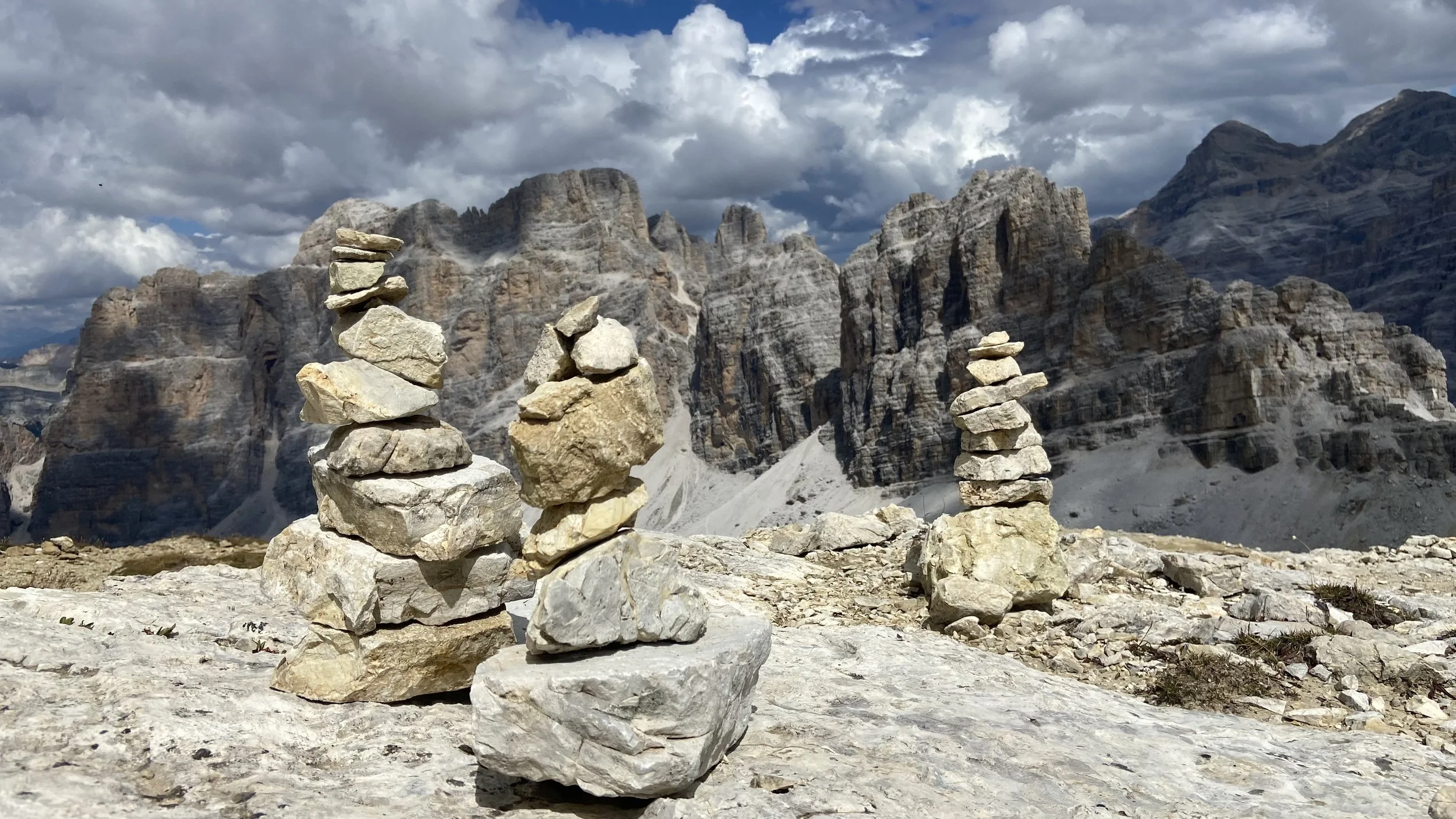
A common pitfall is focusing solely on distant peaks. Include elements like wildflowers, rocks, rivers, or lakes in the foreground to create depth and lead the viewer's eye toward the mountains.
Leading Lines and Layers
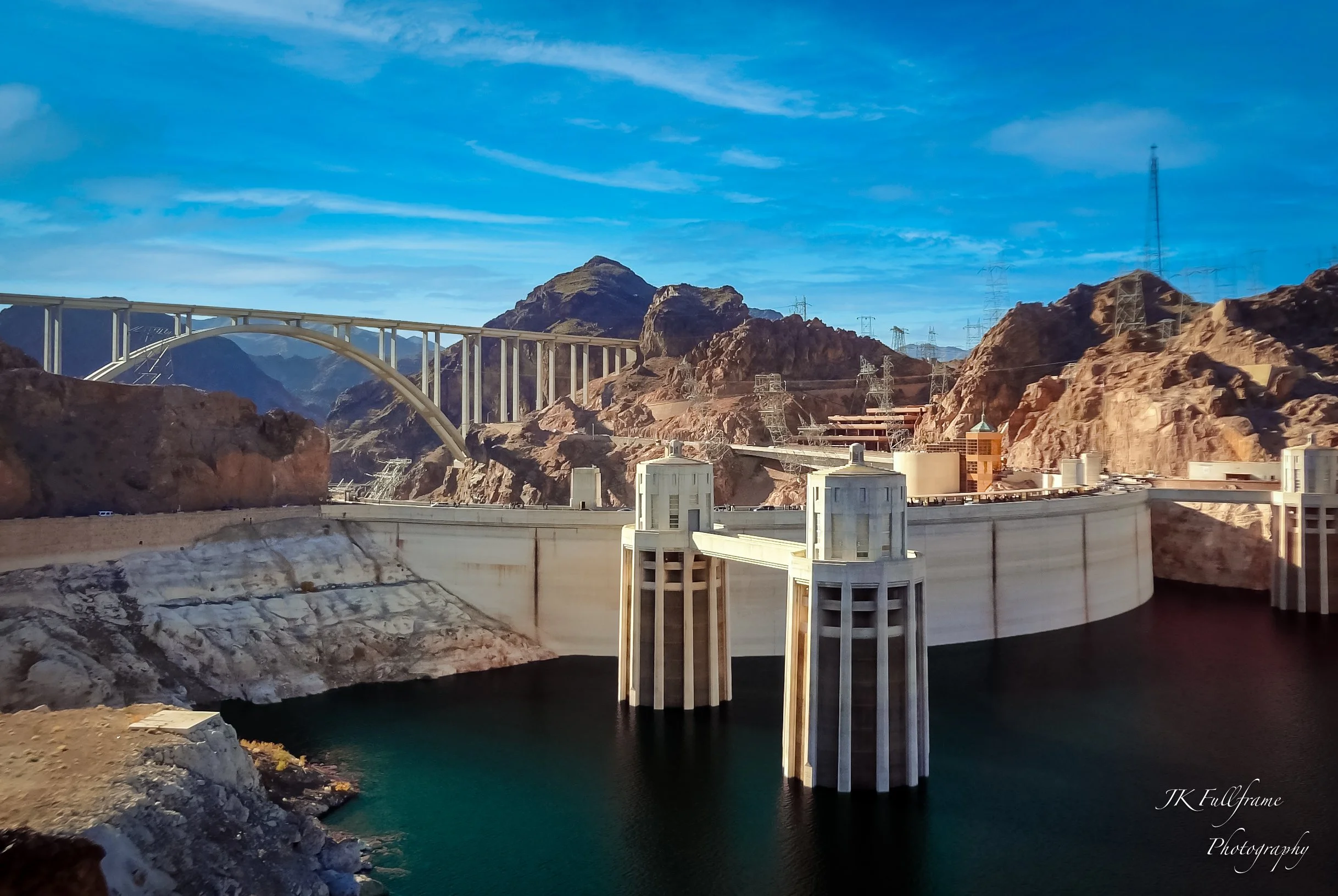
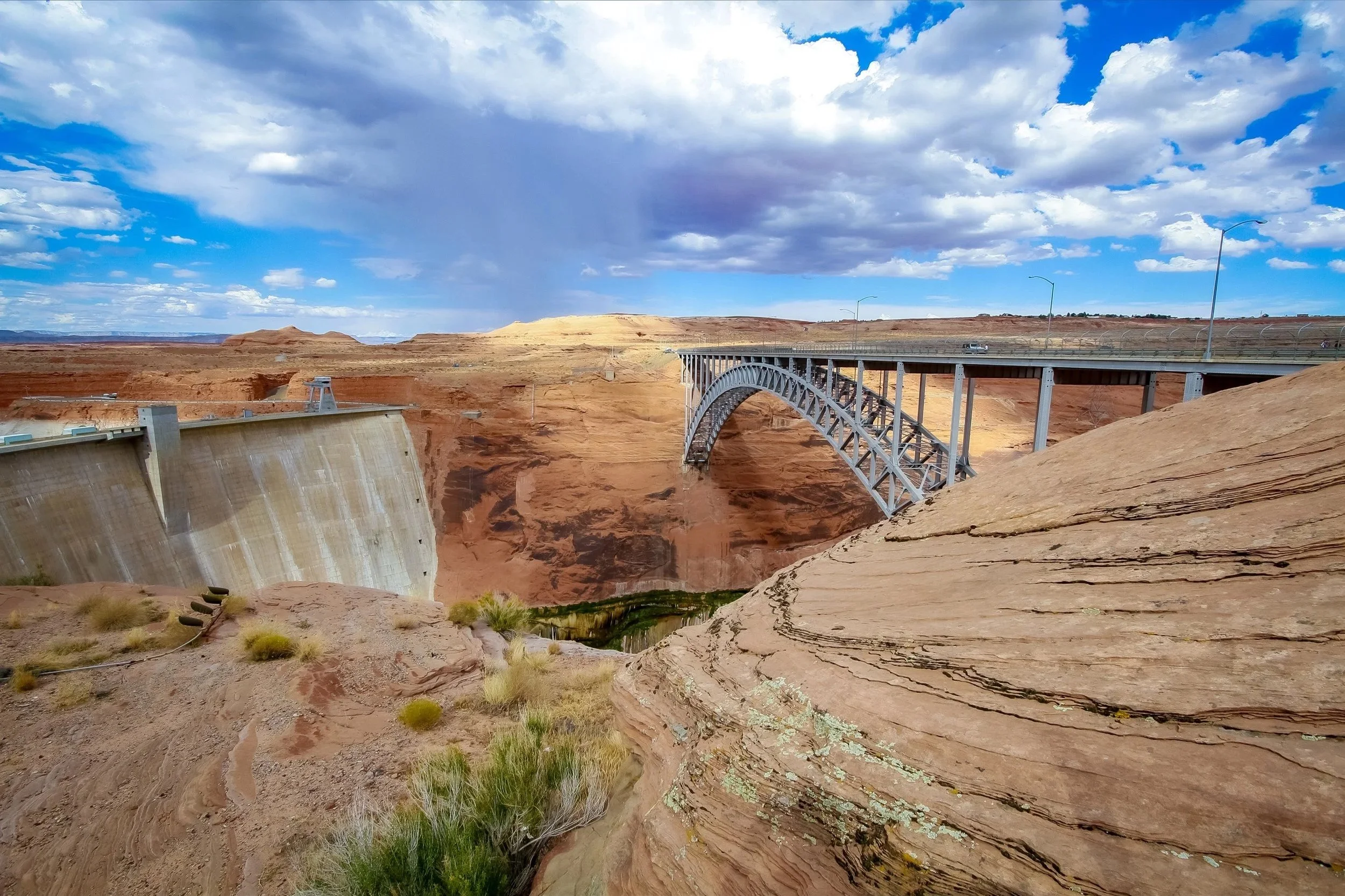
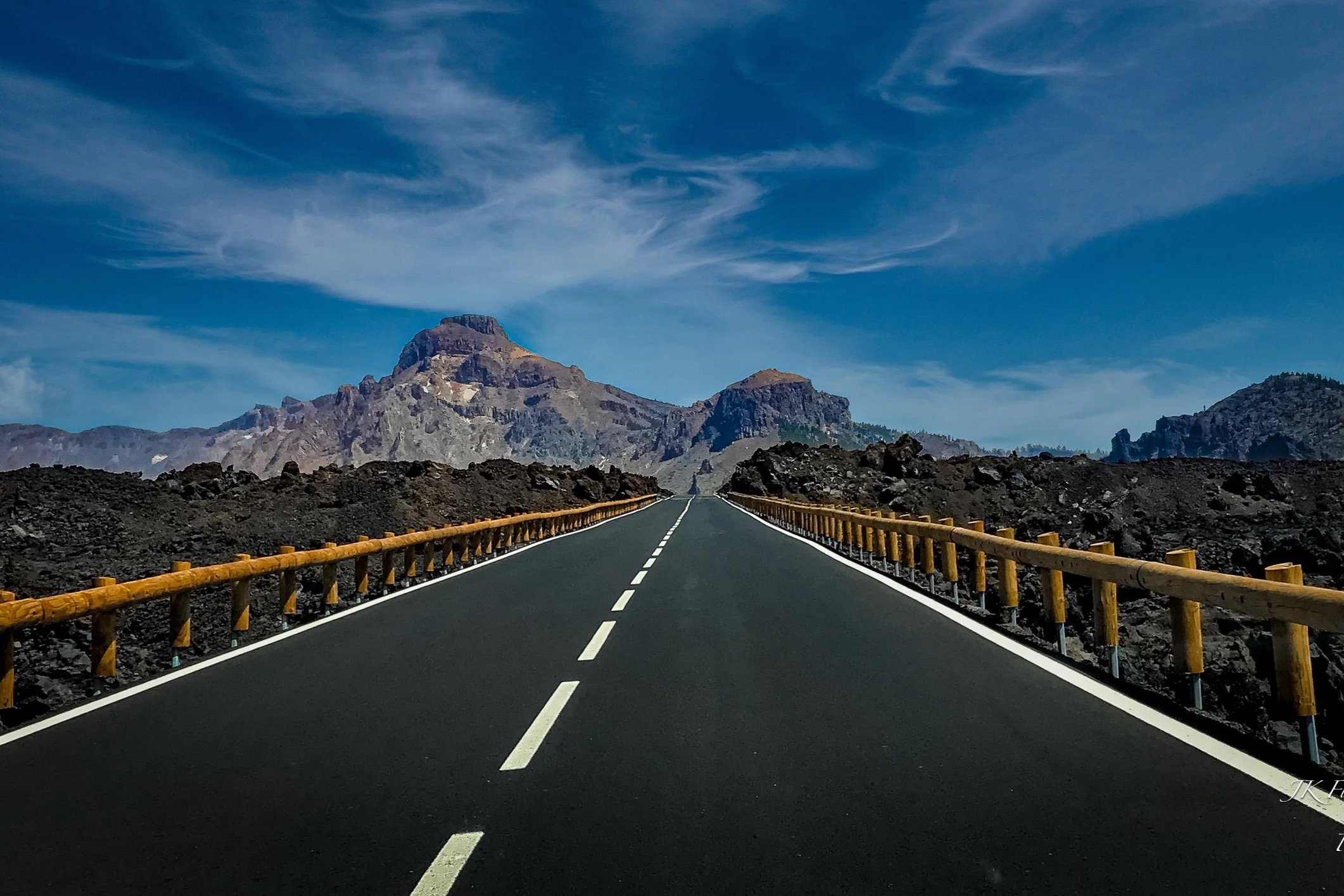
Use natural lines—rivers, trails, ridges, or valleys—to guide the eye. Layering foreground, midground, and background mountains adds three-dimensionality, especially with atmospheric haze or mist.
Shoot During Golden Hour
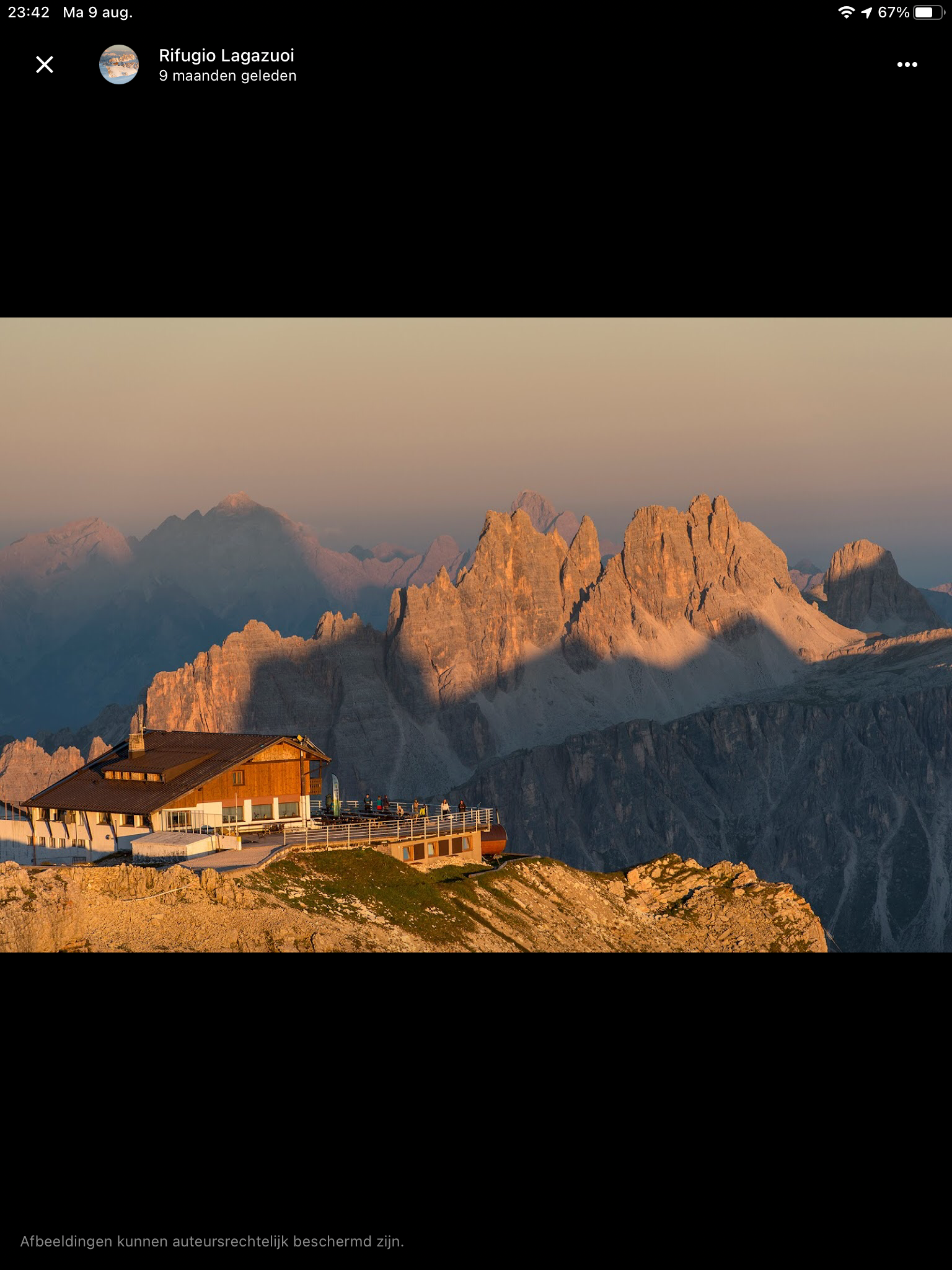
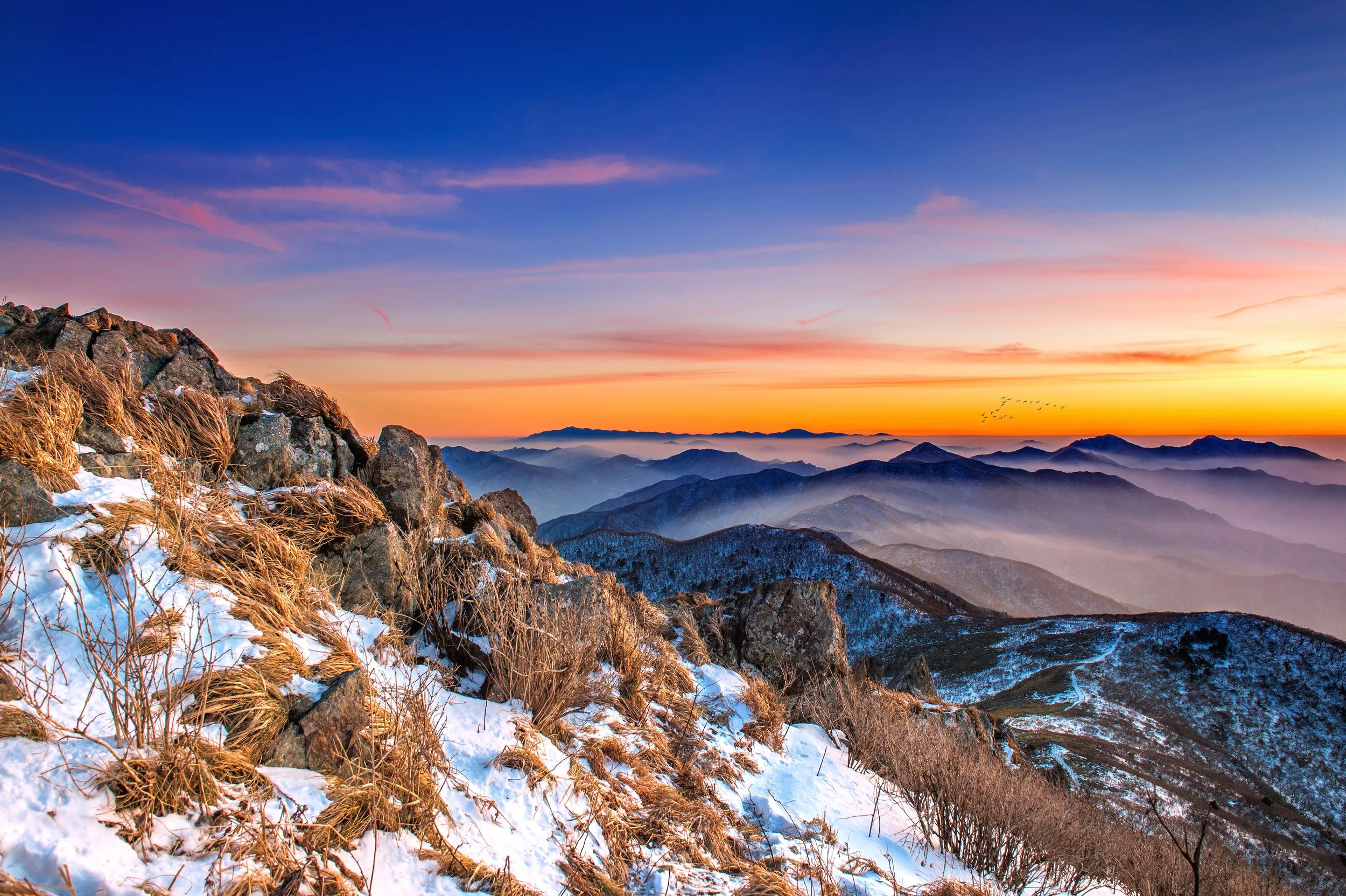
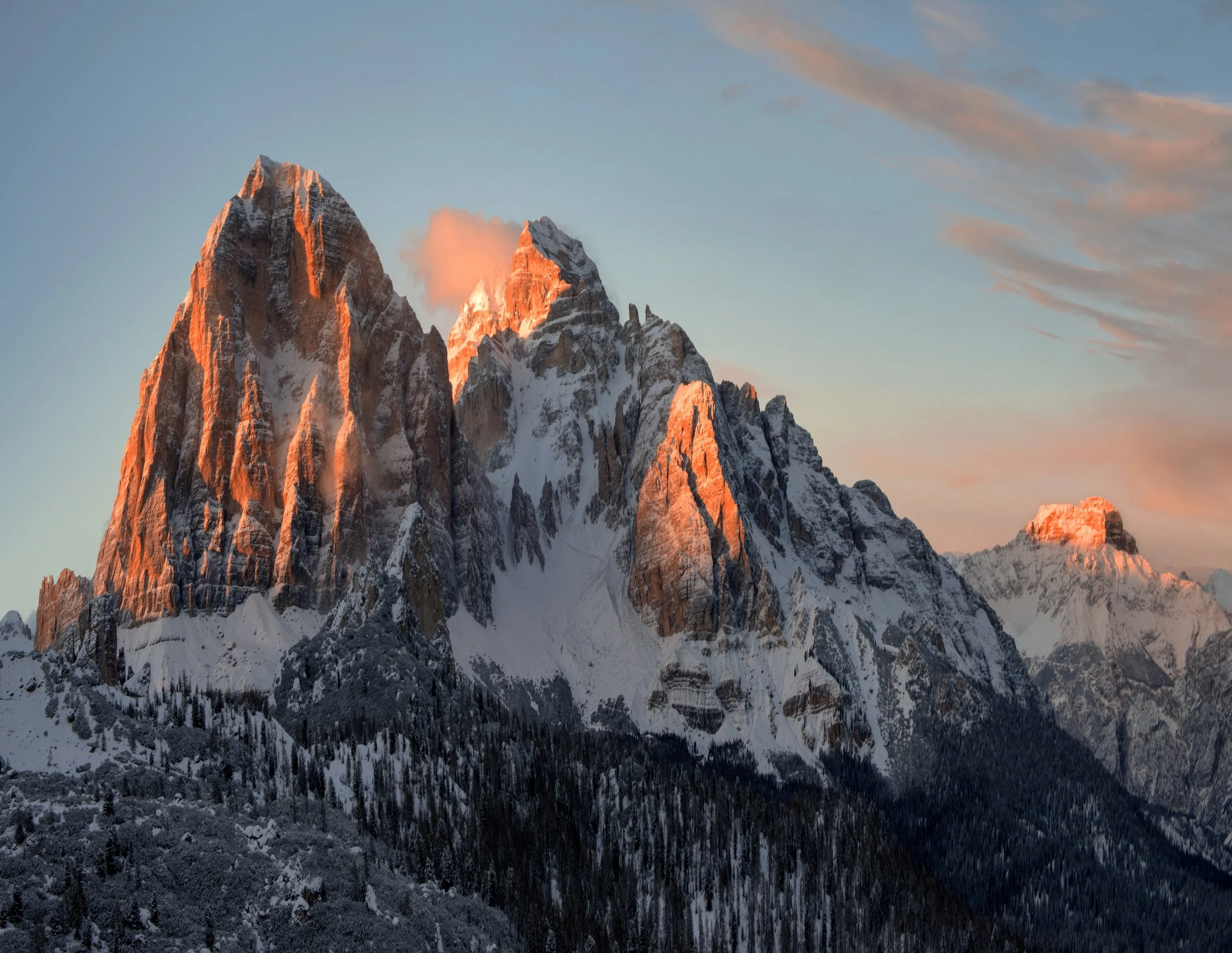
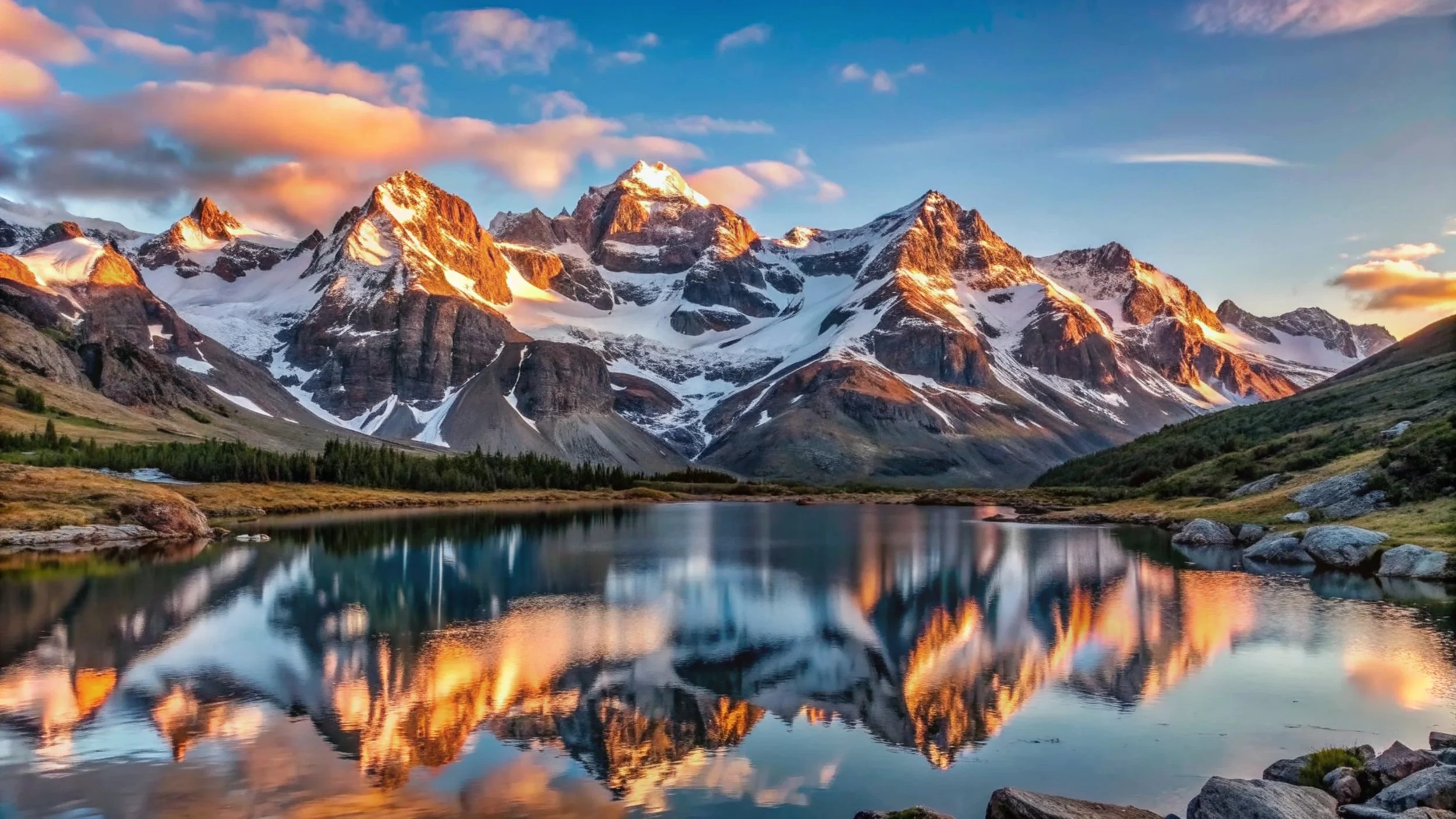
The soft, warm light of sunrise or sunset transforms mountainscapes, casting long shadows and highlighting textures. Plan your shoots around these times for magical glows and vibrant colors.
Experiment with Perspectives
Wide-angle lenses capture epic vistas, while telephoto lenses compress layers for abstract patterns. Include reflections in lakes for symmetry, or use long exposures for silky water effects.
Recommended Camera Settings for Sharp, Stunning Results
Mountain conditions vary wildly—harsh light, wind, and altitude demand reliable settings. Use a sturdy tripod for stability.
Shoot in RAW: Capture maximum detail and dynamic range for post-processing flexibility.
Mode: Manual or Aperture Priority for control.
Aperture: f/8 to f/11 for optimal sharpness and deep depth of field (everything from foreground to peaks in focus). Avoid going beyond f/16 to prevent diffraction softness.
ISO: Lowest native setting (usually 100) to minimize noise.
Shutter Speed: Adjust for proper exposure; use slower speeds on tripod for creative effects like smooth water.
White Balance: Daylight or Auto; fine-tune in post.
Focus: Manual or single-point AF, hyperfocal distance for maximum sharpness.
Extras: Use a polarizing filter to deepen skies and reduce glare; graduated ND filters for balancing bright skies with darker foregrounds.
These settings ensure tack-sharp images with rich colors and detail.
Final Thoughts
Mountainscape photography rewards patience and preparation. Scout locations, chase the light, and experiment boldly. With strong composition and solid technical foundations, you'll capture the raw power and beauty of these timeless landscapes. Get out there— the peaks are calling!