Long Exposure Photography Insights
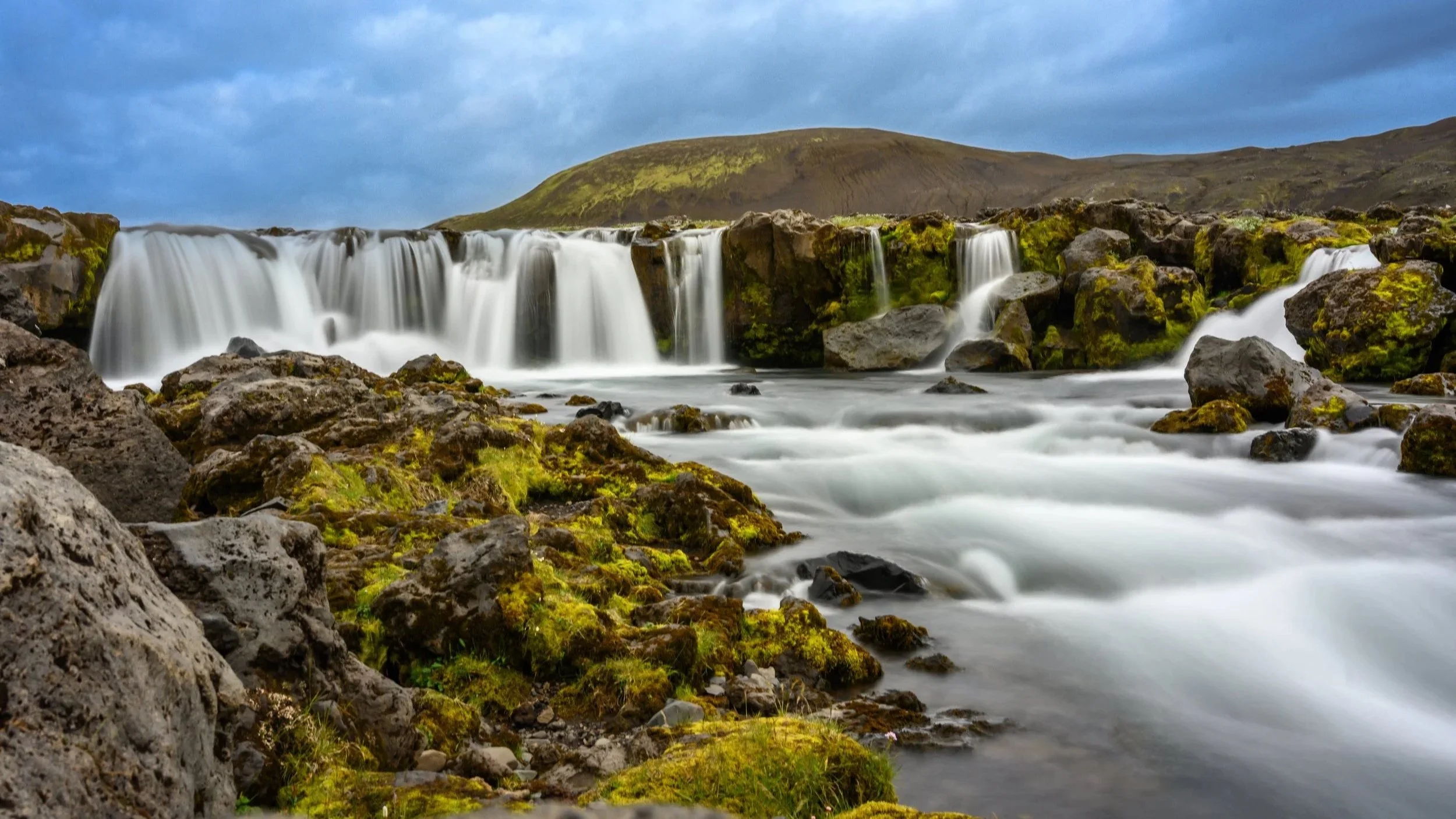
Long exposure photography is one of the most magical techniques in landscape shooting. By using slow shutter speeds—often ranging from a few seconds to several minutes—you can capture movement in a way the human eye never sees. Flowing water turns into silky smooth mist, drifting clouds stretch into dramatic streaks, and even stars paint circular trails across the night sky. This creates ethereal, dreamlike images that add motion, mood, and a sense of timelessness to otherwise static scenes.
Whether you're photographing seascapes, waterfalls, or mountain vistas, long exposures transform ordinary landscapes into artistic masterpieces. Here's a complete guide to get you started.
Why Use Long Exposures in Landscapes?
The core idea is to blur moving elements while keeping stationary ones sharp. Common effects include:
Silky water: Rivers, oceans, or waterfalls appear milky and soft.
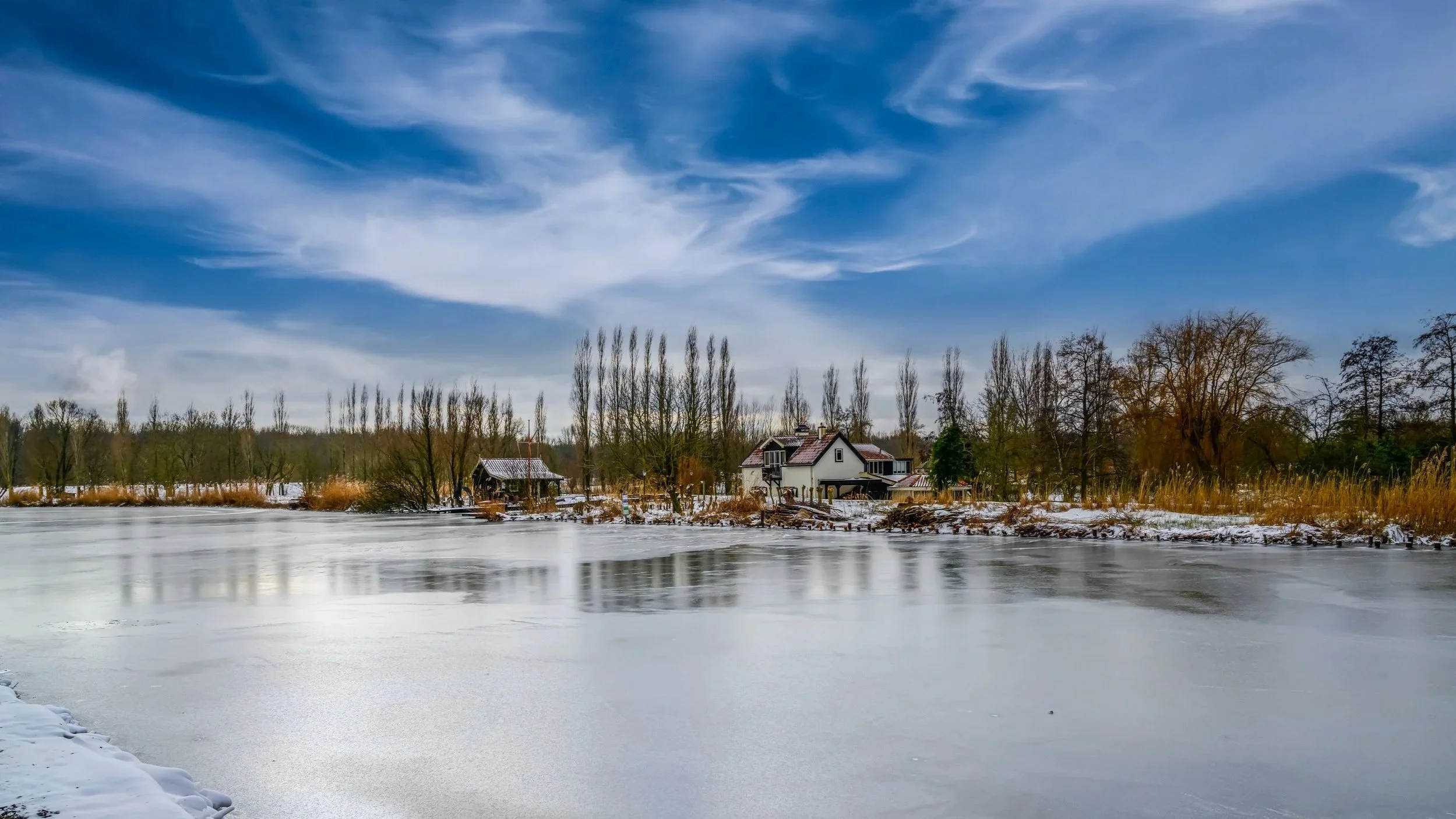
Streaking clouds: Adds drama and leads the viewer's eye through the frame.
Minimalist scenes: Extremely long exposures can smooth out waves completely for a calm, abstract look.
Night elements: Star trails or light trails from distant sources.
Here is a stunning examples of these effects in action:
Essential Gear
Sturdy tripod: Absolutely non-negotiable—any camera shake will ruin the shot.
Neutral Density (ND) filters: These reduce light entering the lens, allowing longer shutters in bright conditions. A 6-stop for subtle effects, 10-stop for dramatic ones.
Remote shutter release: Prevents vibration when pressing the button (or use your camera's timer).
Wide-angle lens: Common for landscapes (e.g., 14-35mm) to capture expansive scenes.
Optional: Circular polarizer to cut glare and enhance colors.
Step-by-Step Process
Scout and Compose: Look for scenes with movement (water, clouds) contrasting static elements (rocks, trees). Shoot during golden hour, overcast days, or blue hour for softer light.
Set Up Your Camera:
Mount on tripod and level it.
Switch to Manual mode.
Use a low ISO (100-200) for clean images.
Aperture: f/8-f/16 for sharpness and depth of field.
Focus manually (switch to live view, zoom in, and adjust).
Calculate Exposure:
Start without ND filter: Meter for correct exposure (e.g., 1/10s at f/11).
Add ND filter: Multiply shutter speed by the filter's stop factor (e.g., 10-stop turns 1/10s into ~100 seconds).
Use apps like PhotoPills for precise calculations.
Shoot:
Enable mirror lock-up or live view to reduce vibration.
Use Bulb mode for exposures over 30 seconds.
Cover the viewfinder to prevent light leaks.
Take test shots and adjust.
Common Shutter Speed Guidelines:
0.5-2 seconds: Slight water blur with texture.
5-30 seconds: Silky water, mild cloud streak.
1-5 minutes+: Ultra-smooth water, strong cloud motion.
30+ minutes (night): Star trails.
Tips for Success
Weather matters: Windy days for cloud movement; calm for reflections.
Avoid overdoing it: Not every scene needs extreme blur—experiment with shorter exposures.
Post-processing: Boost contrast, recover highlights/shadows, and sharpen static areas in Lightroom or Photoshop.
Common mistakes: Unstable tripod, forgetting to turn off image stabilization, or light leaks from strong ND filters.
Safety: Watch tides in seascapes; protect gear from spray.
Long exposure landscape photography rewards patience and experimentation. Start simple—head to a nearby river or coast with your tripod and an ND filter—and watch how motion comes alive in your frames. With practice, you'll create images that feel otherworldly and uniquely yours. Happy shooting!