Landscape Photography Tips
Compelling light and atmosphere
A "perfect" landscape photograph is rarely the result of luck; it is a deliberate combination of environmental conditions, technical precision, and artistic composition.
Light is considered the single most critical element.
Golden and Blue Hours: The soft, warm light during sunrise and sunset (Golden Hour) creates long shadows that add 3D depth. The cooler "Blue Hour" provides a moody, cinematic feel.
Weather Dynamics: Perfect landscapes often feature dramatic weather—storm clouds, fog, or mist—which adds texture and emotion to an otherwise flat sky.
Planning & Patience
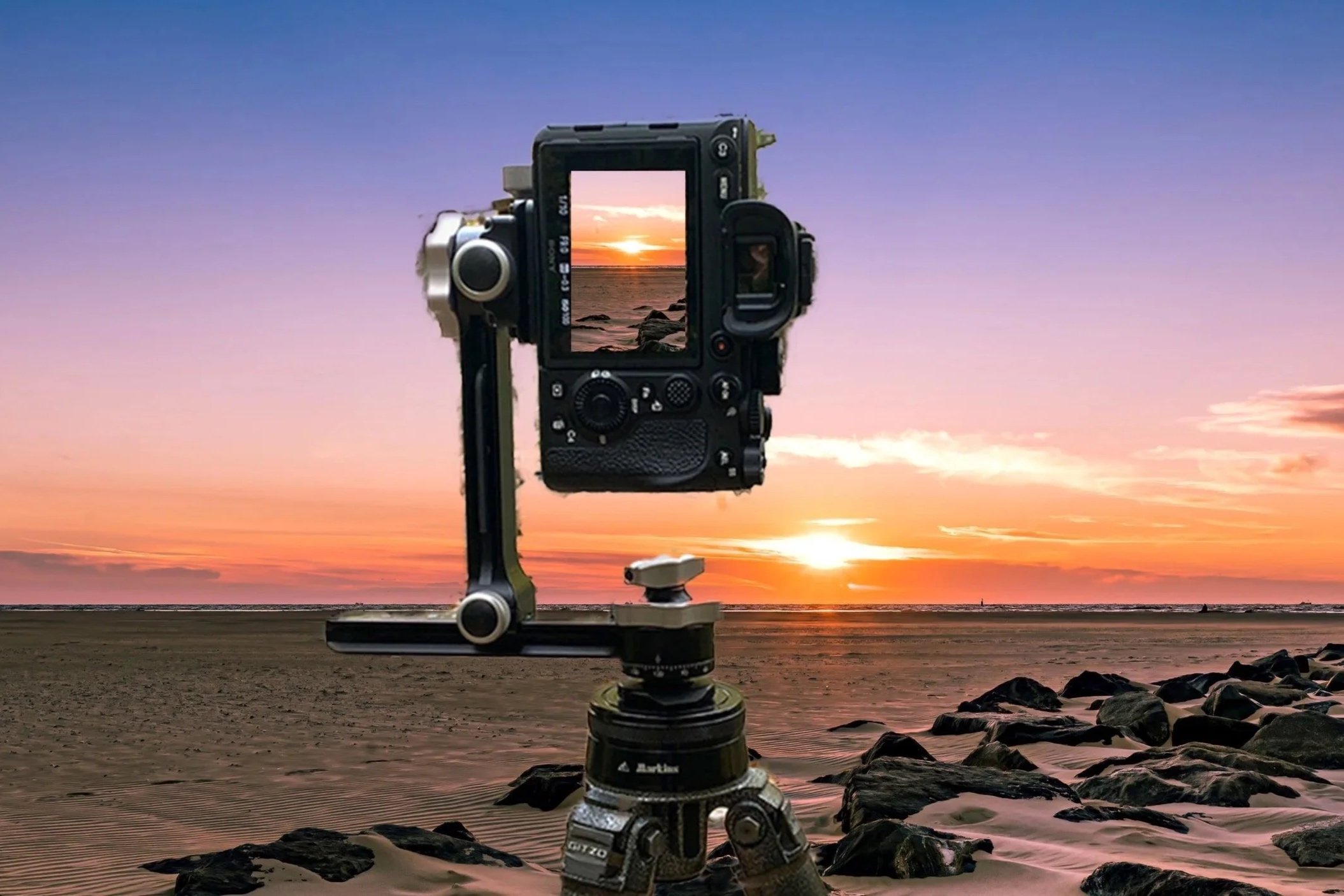
Every photo starts with a great deal of location scouting and brainstorming. For any given subject, there are countless different angles, perspectives, and conditions to consider.
We plan for a time to shoot the photo with a keen awareness of how the scene changes depending on the weather, the time of day, and the time of year.
Even small changes in lighting, timing, or conditions can dramatically alter the mood of a scene.
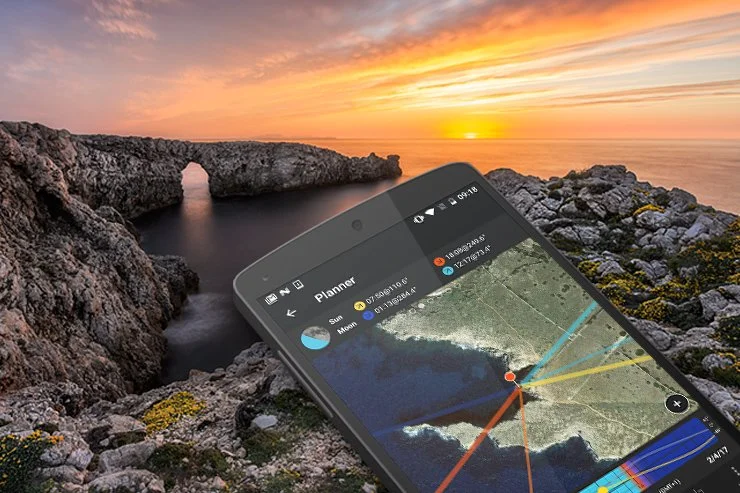
The App that can help you prepare for the best time and location I use is PhotoPills.
Strong Composition and Focus
A landscape must guide the viewer’s eye through a two-dimensional frame to mimic a three-dimensional experience.
Clear Subject: There must be a focal point (e.g., a lone tree, a mountain peak, or a person) to act as an anchor for the viewer's gaze.
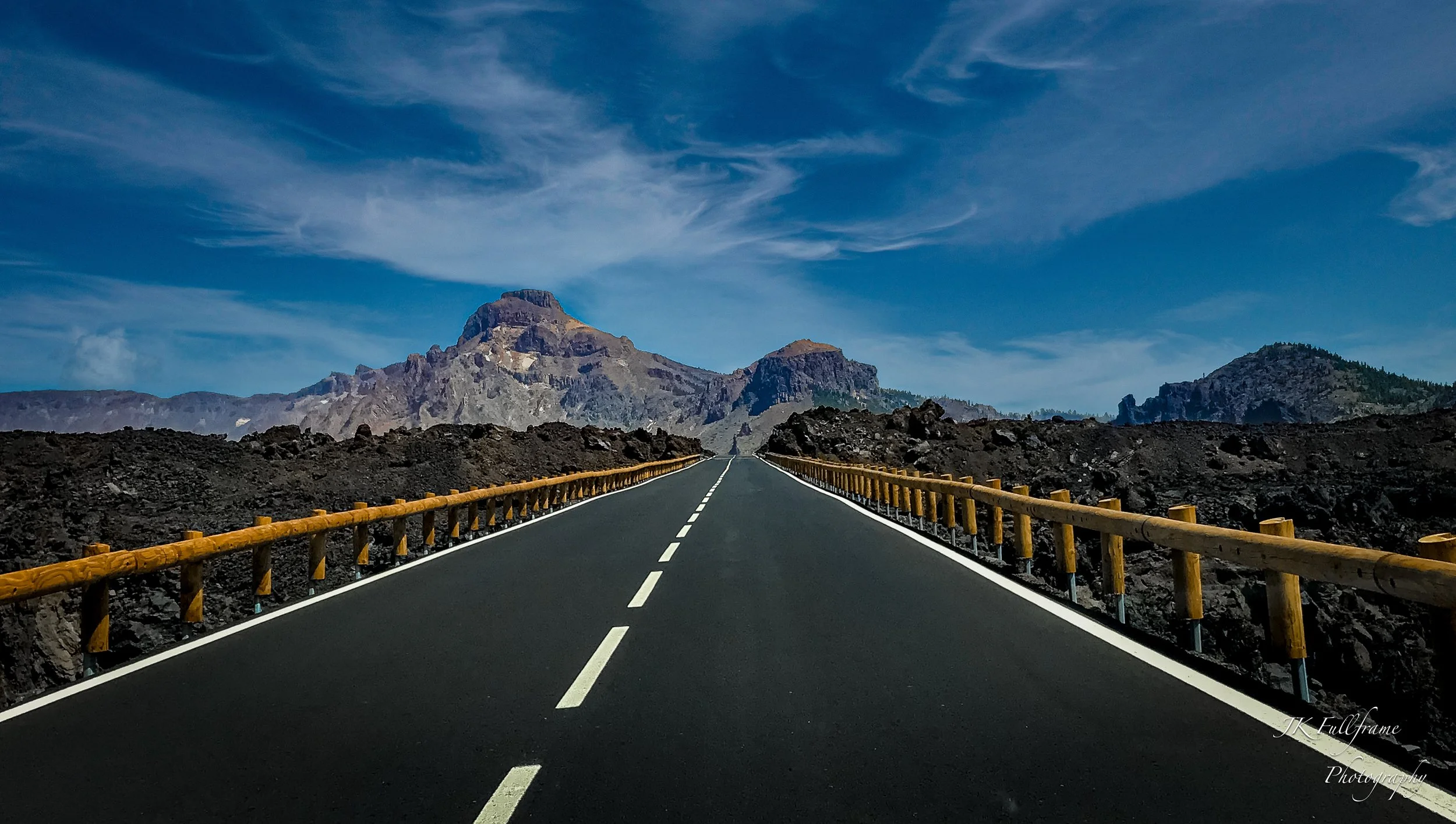
Leading Lines: Features like rivers, paths, or ridges should "lead" the eye toward the main subject.
Rule of Thirds: Placing horizons or key elements off-center (on the 1/3 or 2/3 lines) creates more dynamic and balanced images.
Foreground Interest: Including rocks, flowers, or textures in the immediate foreground provides a sense of scale and depth.
Technical Precision
Maximum Sharpness: Landscape photographers typically use a tripod to eliminate camera shake.
Deep Depth of Field: Using a small aperture (typically f/8 to f/16) ensures that everything from the foreground to the distant horizon is in focus.
Low ISO: Keeping ISO low (usually 100) prevents digital "noise" or grain, maintaining high image clarity.
Straight Horizons: A crooked horizon line is a common flaw that can ruin a professional-looking shot.
Wide-Angle Lens: These are the "workhorse" of the genre, used to capture vast vistas.
Filters:
Circular Polarizer: Reduces glare on water and makes sky colors "pop".
Neutral Density (ND) Filters: Used to slow shutter speeds, creating a silky effect on moving water or clouds.
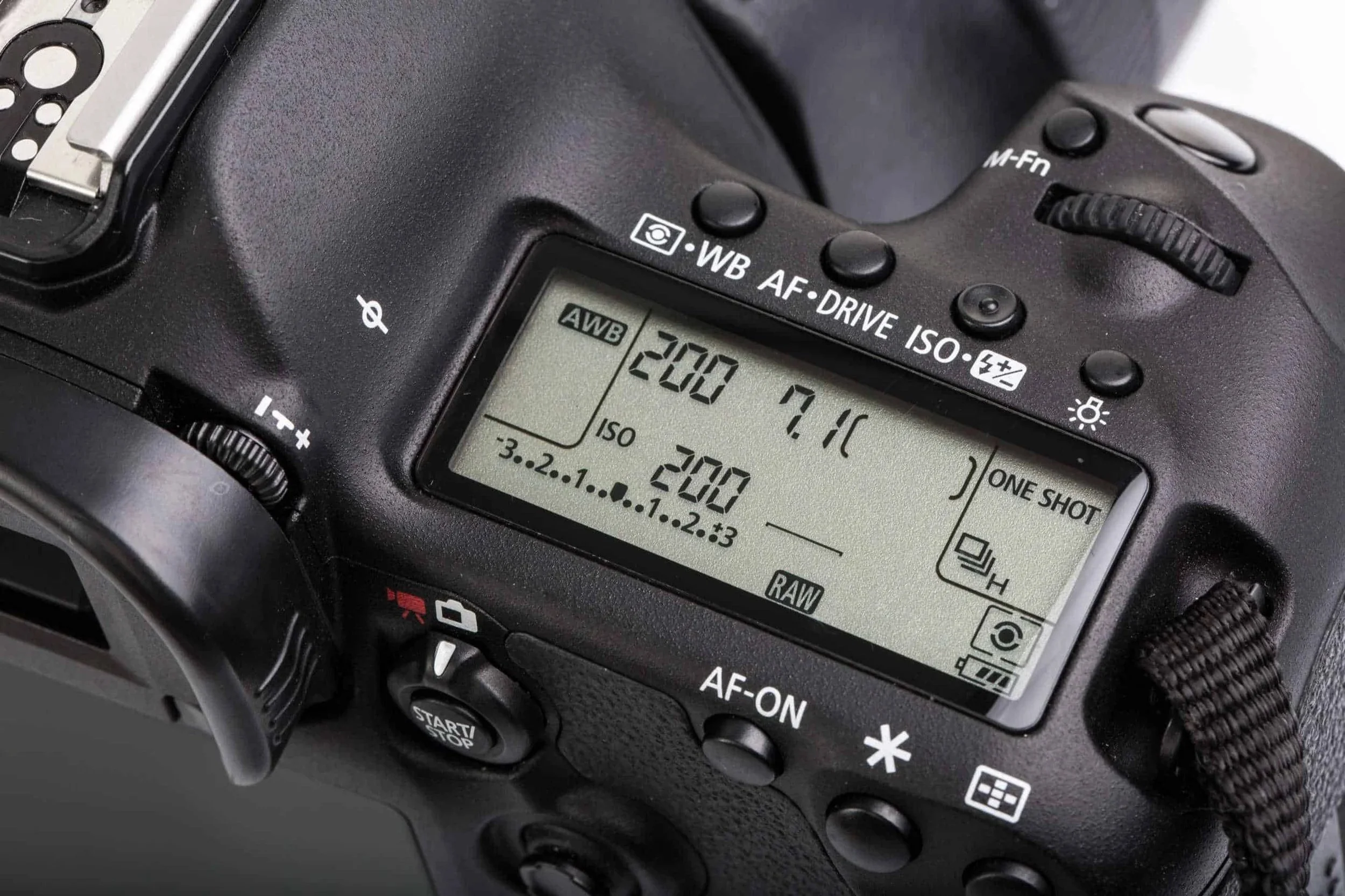
Manual Control: Using a camera that shoots in RAW format is vital for retaining the maximum data needed for post-processing.